Process-industry steam requirements vary widely. Pressure, superheat, load continuity and integration with existing utilities must be confirmed before a model and system scope are proposed.
Information to confirm
- Saturated or superheated steam duty
- Design pressure and temperature
- Reliability, redundancy and turndown requirements
- Local inspection and documentation requirements
Define chemical-plant boiler duty through pressure, temperature, continuity, hazardous-area interfaces and utility integration.
industrial boiler for chemical plant
Prepare a duty schedule with normal, minimum, start-up and upset-case steam demand. Define saturation or superheat, pressure stability, standby philosophy and interfaces with hazardous areas. Final equipment and control arrangements require the plant engineering team's review and destination-specific inspection requirements.
Inputs for a useful engineering review
- Required steam or heat output, normal and peak demand, pressure and temperature.
- Fuel analysis or electrical supply, feedwater analysis, operating hours and site constraints.
- Destination, applicable code, inspection responsibilities and the exact supply boundary.
Relevant catalog and project paths
The catalog contains steam, hot water, electrode and packaged families. A topic on this page is not a claim that every technology, accessory or certification is supplied. Confirm the actual model and scope in writing.
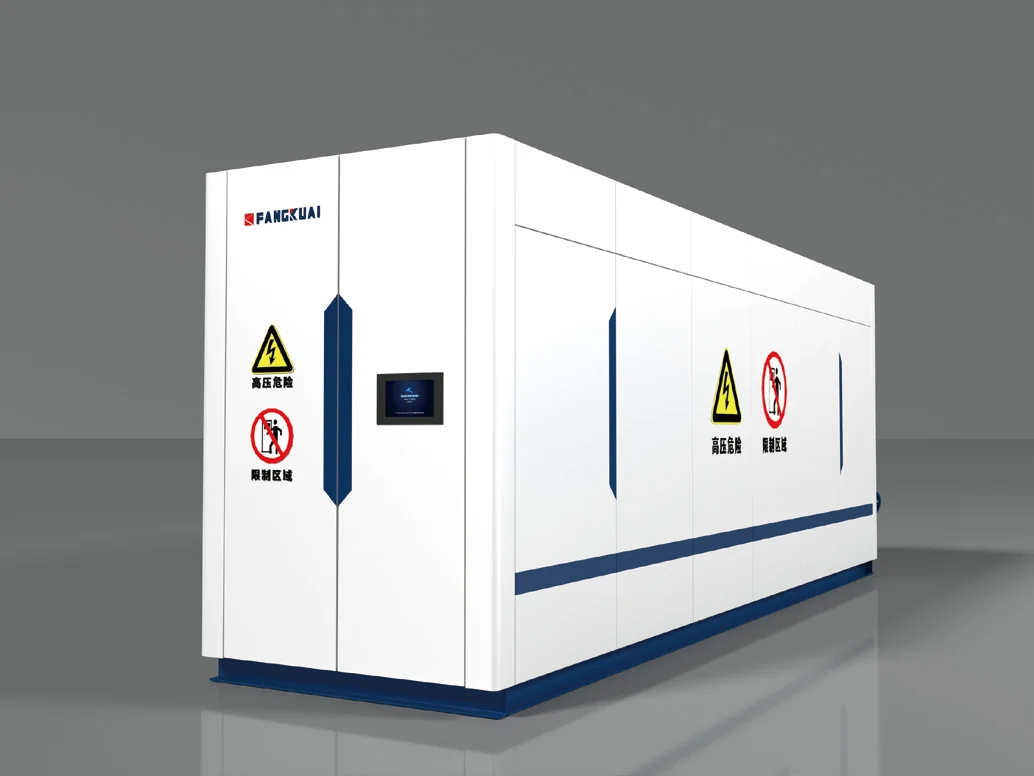
- High-voltage electrode steam boiler — 2–60 MW range
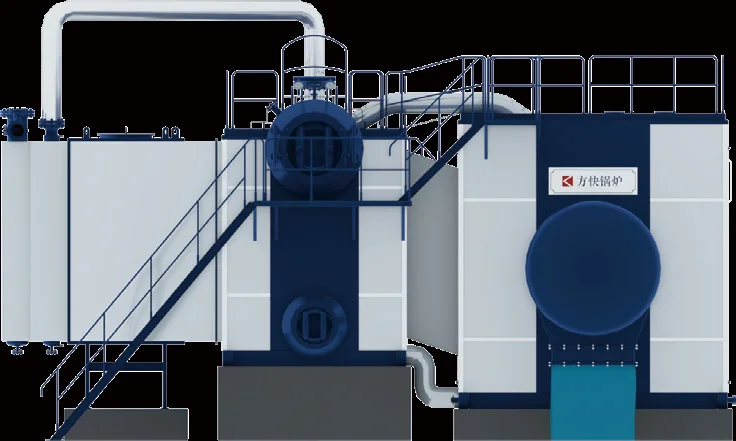
- Modular saturated steam boiler — 10–50 t/h
- Modular straight-through water-tube boiler — 80–150 t/h
- Browse the confirmed catalog
- Send the project brief for a quotation
Related engineering questions
- How to Choose Industrial Boiler Size & Steam Duty
- Industrial Steam Boiler Price & Retrofit Quotes
- Boiler Water Treatment, Blowdown & Corrosion
Basis and references
Product scope is checked against the supplied FANGKUAI boiler catalog and the current product data. The external resource below supports further technical or compliance review; it is not a product approval or a project-specific design. Final selection and work on pressure equipment require qualified professionals.